Home › Podcast › The white rice that made people ill
The white rice that made people ill
Episode in French. The full text can be read below in English.
The text of the episode
The end of the 19th century, on the island of Java, in what was then called the Dutch East Indies. In barracks, hospitals, prisons, men collapse. Their legs go numb, then refuse to carry them. The heart races. Doctors have known this illness for a long time. It has a strange name: beriberi.
The word is said to come from a South Asian language and to mean “I cannot, I cannot”. The origin is disputed. But it conveys well the distress of those who suffered from it.
Batavia, in search of a microbe
In 1886, the Netherlands sends a medical mission to Java. Among its members is a young army doctor, Christiaan Eijkman. This is the age of Pasteur: every disease must have its microbe. Eijkman stays on to run a small laboratory in Batavia, present-day Jakarta. His mission: to find the germ of beriberi.
For his experiments, he raises chickens. And around 1890, a twist: the chickens fall ill. They stagger, lose their balance, show a paralysis that looks very much like beriberi. For a microbe hunter, it is a godsend. He may at last have his germ.
The investigation leads to the kitchen
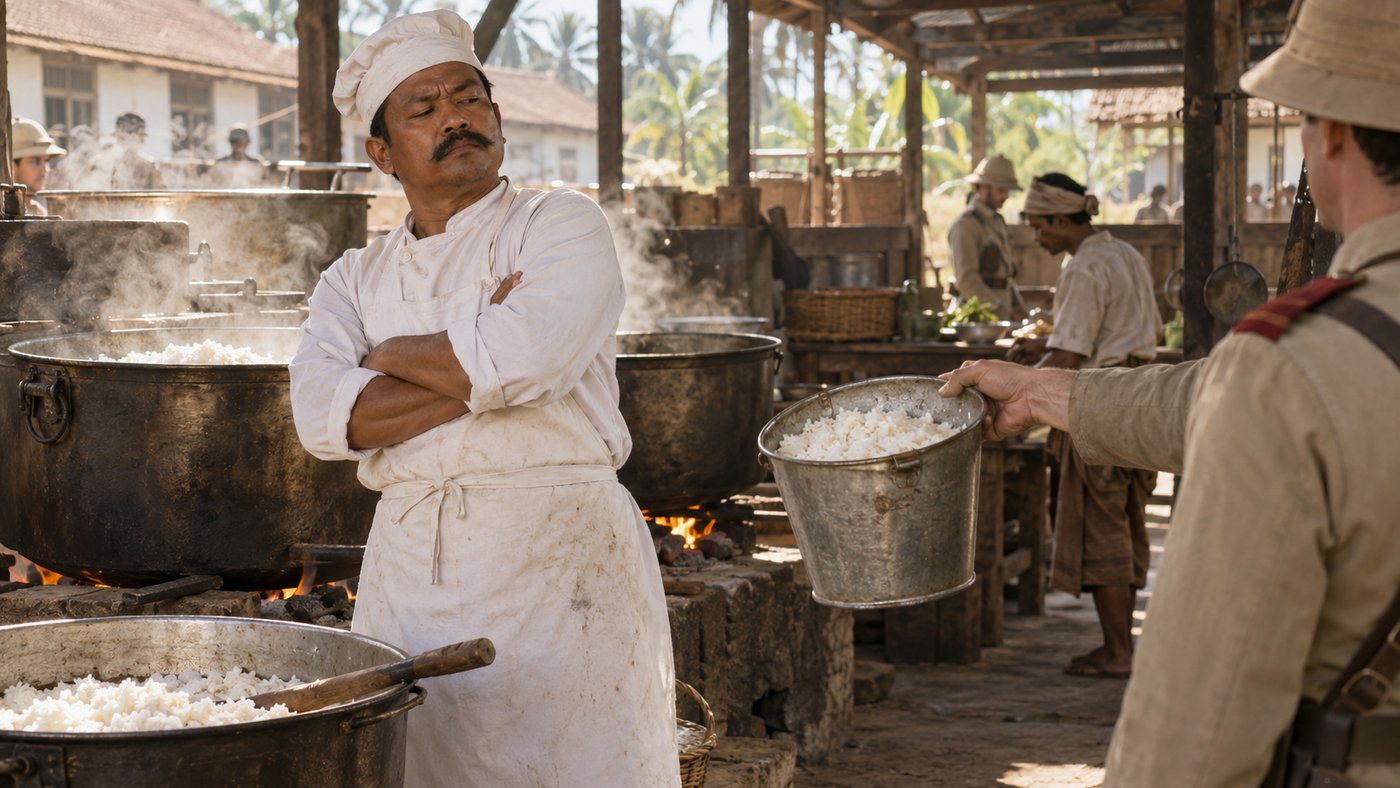
But a few months later, without anyone having done anything, the chickens recover. All of them. Eijkman investigates, and it leads him… to the kitchen. For months, his chickens had been fed on leftover cooked rice from the military hospital. White rice, polished, stripped of its husk. Then a new cook refused to let the army's rice feed “civilian” chickens. They were given unpolished rice, still wrapped in its thin skin. And they recovered.
Eijkman checks. White rice: the chickens fall ill. Brown rice: they recover. The proof is there, before his eyes. And yet, at first he draws the wrong conclusion. He imagines that white rice contains a poison, and that the husk holds its antidote.
It is his successor, Gerrit Grijns, who turns the perspective around in 1901. White rice does not bring something bad. Something indispensable is missing from it. The idea seems simple today. At the time, it is revolutionary: one can fall ill not because of what one eats, but because of what is missing from the plate.
The word “vitamin”
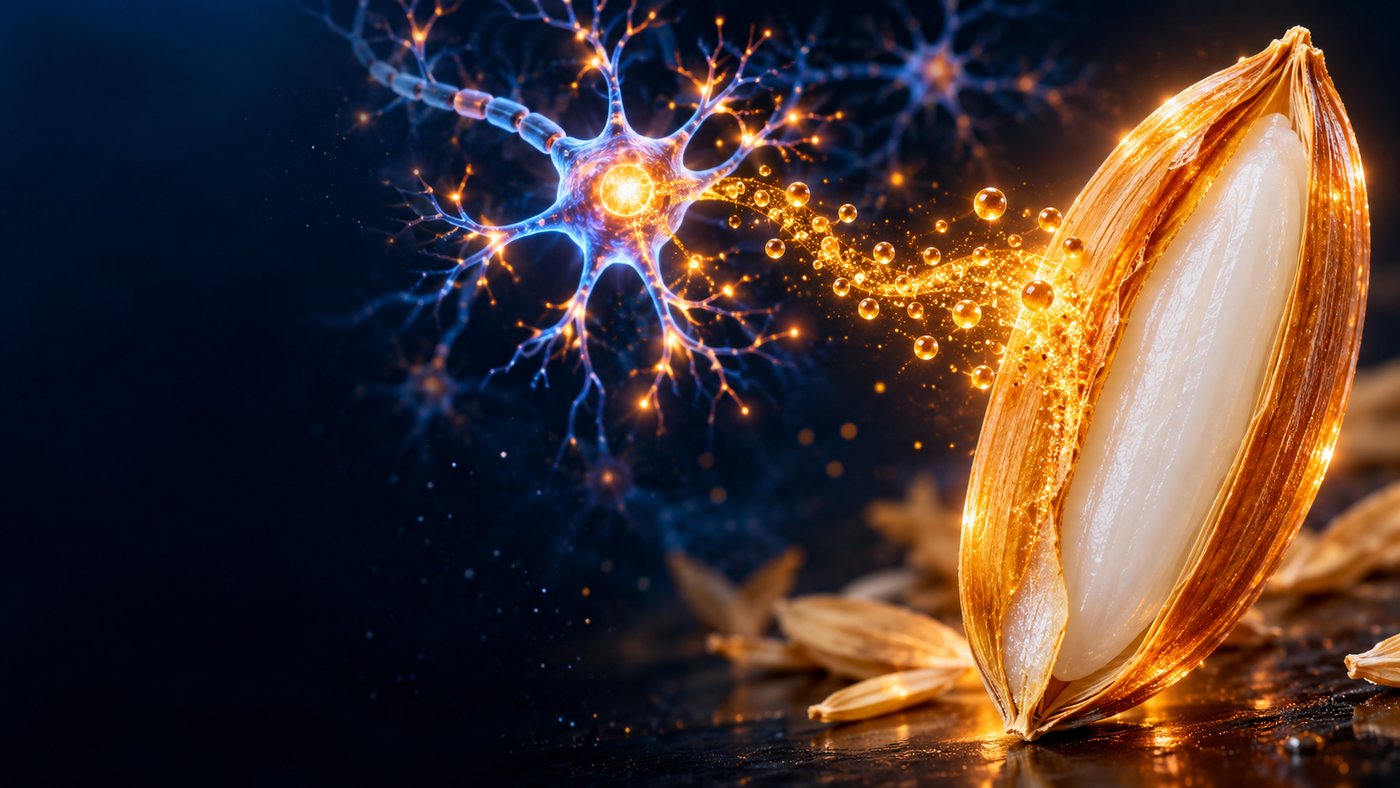
In 1912, in London, a Polish-born biochemist, Casimir Funk, tries to isolate this mysterious substance from rice bran. He proposes a word to designate these vital factors: “vitamine”, for “amine of life”. The word will go around the world. In 1929, Eijkman receives the Nobel Prize in Physiology or Medicine. And in 1936, the American Robert Williams manages to synthesise the substance: thiamine, our vitamin B1.
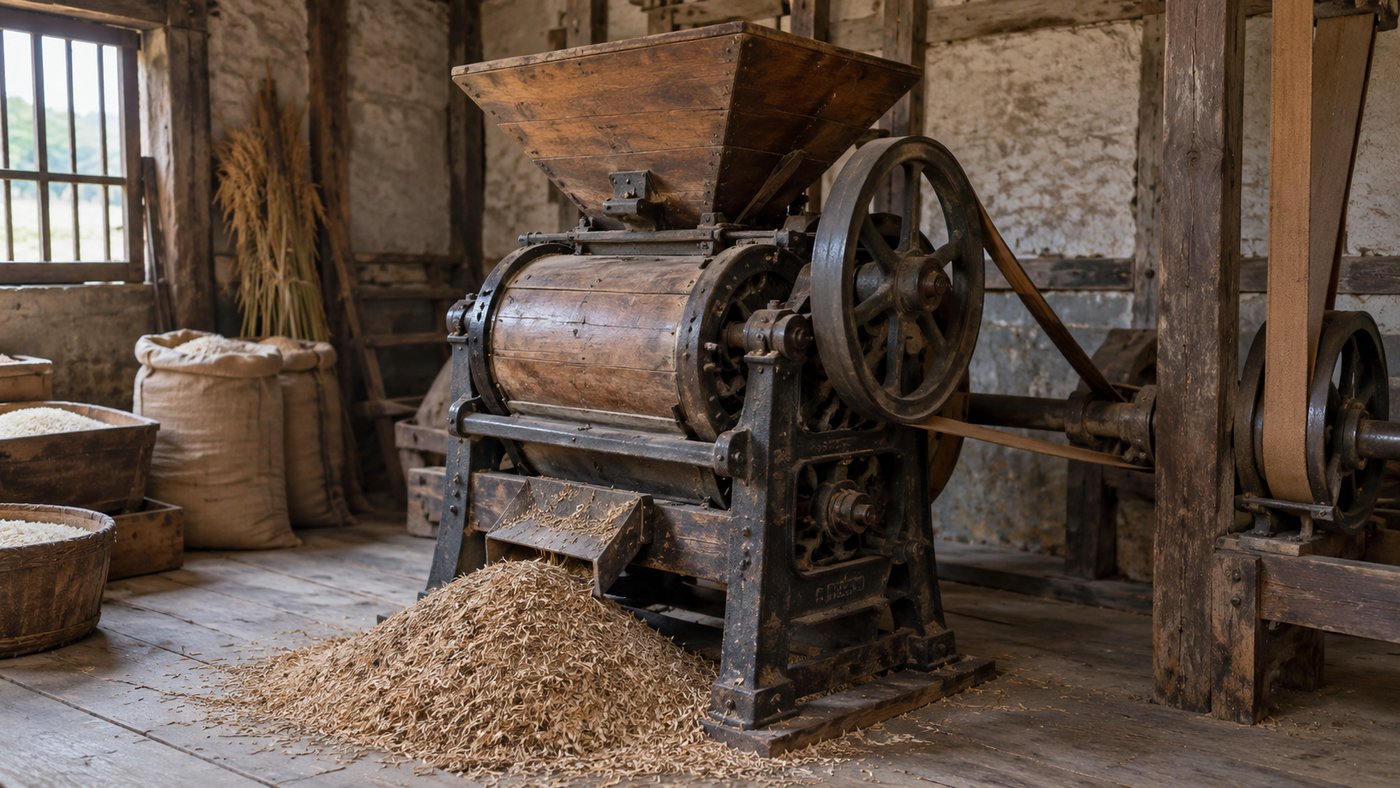
This is the paradox of the story. Progress had invented machines to polish rice, to make it white, shiny, longer-keeping. And what was thrown away, that thin brown husk, held precisely the essential. The first “supplement” in history was the waste of the rice.
Today, thiamine is known to contribute to normal energy-yielding metabolism, to the normal functioning of the nervous system and to normal heart function. It is found in whole grains, pulses, pork. At Herba Barona, in Paris, you find it on many labels, often alongside its sisters from the B group.
White rice was perfect. White, shiny, and almost empty. It took chickens, and a stubborn cook, to remind us of a very simple truth: the most precious part is sometimes hidden in what we take away.